For manga artists, comic creators & publishers
Translate your manga with AI and letter it back into the art

Literess, the AI editor in Transept
You: Make Grandma grumpier.
Literess: Done. She doesn’t just say it anymore. She grumbles it. sagte → raunzte
Ask in plain words. You approve every change. Meet Literess →
Drag across the page to compare it with the original
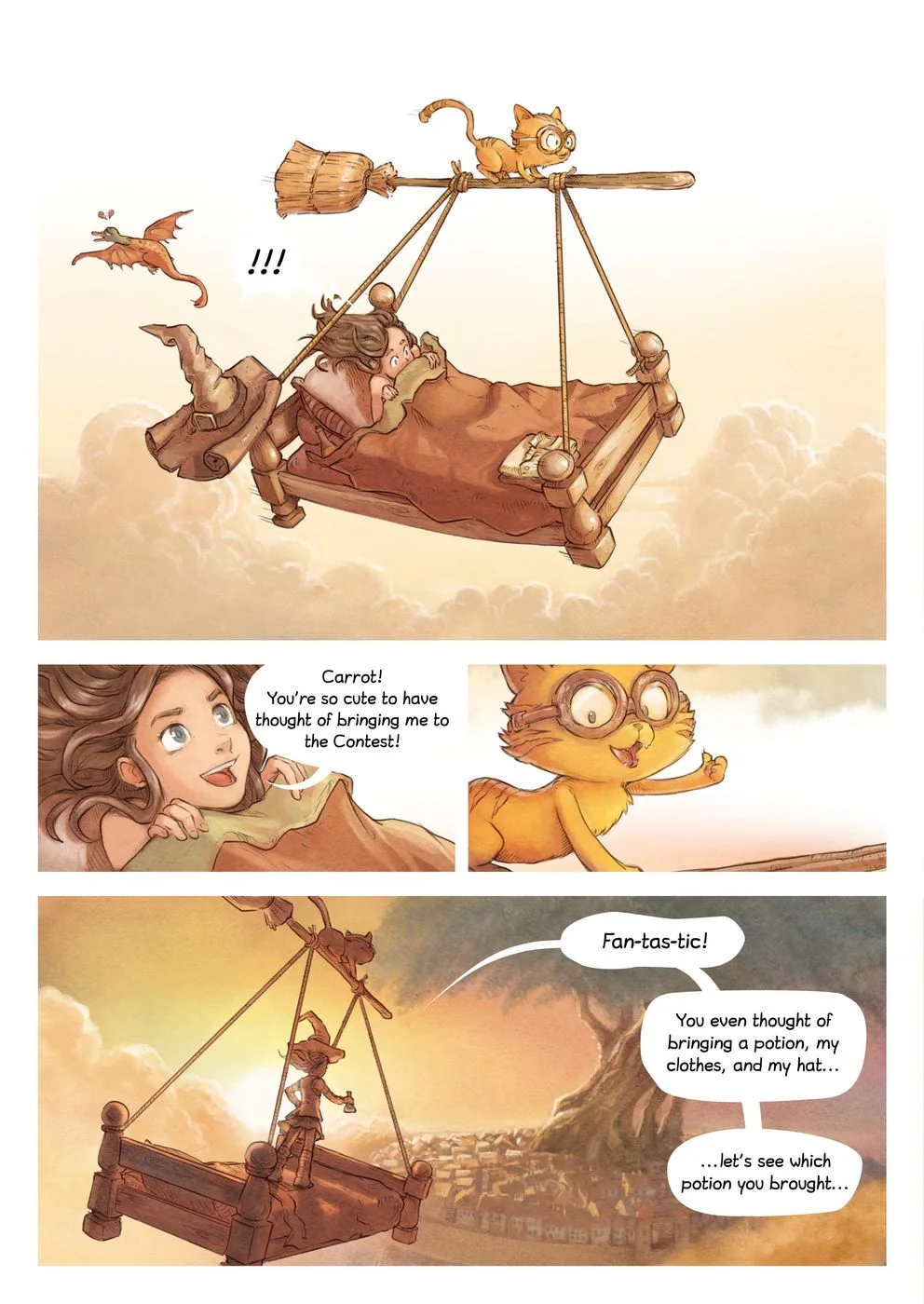
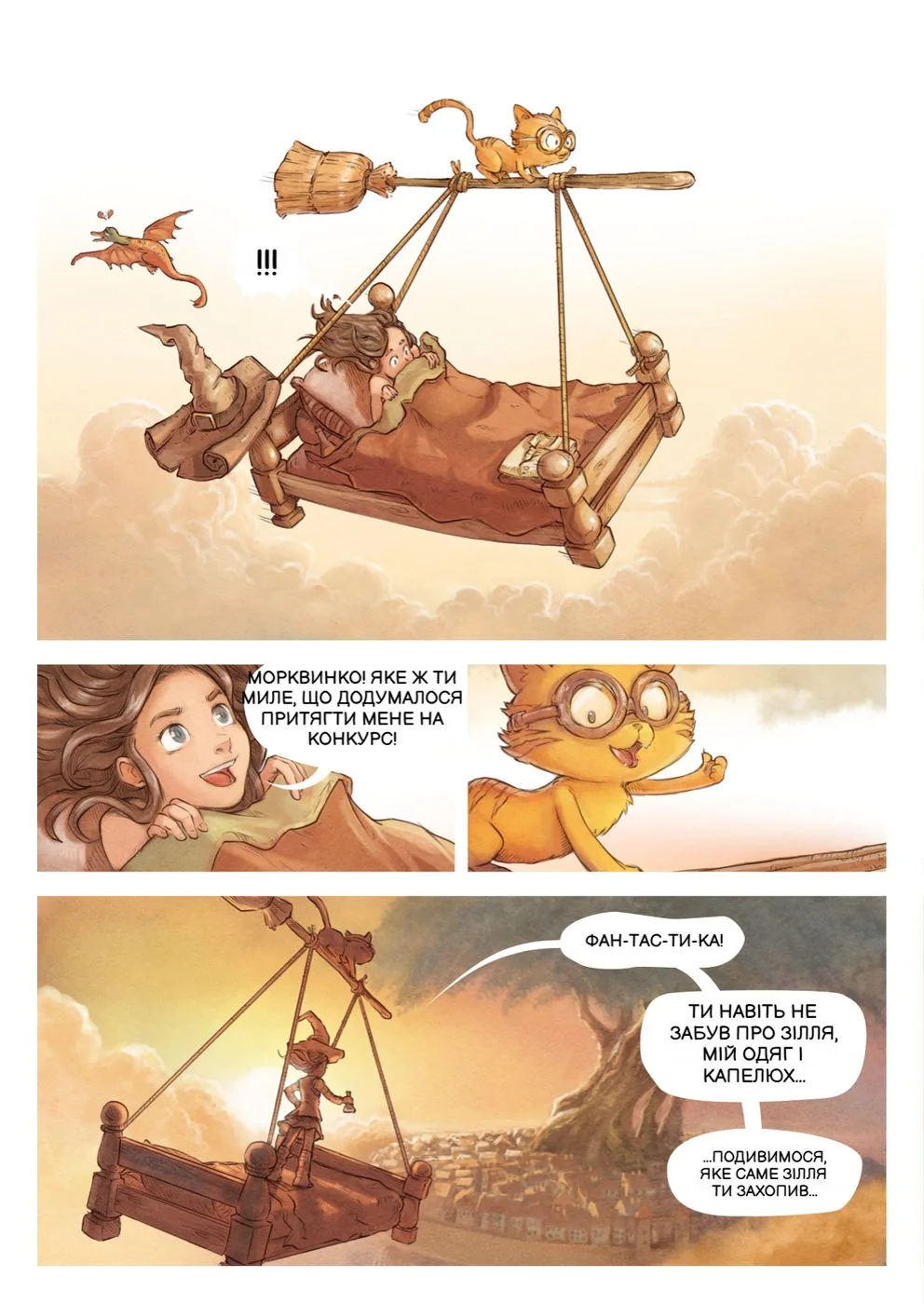
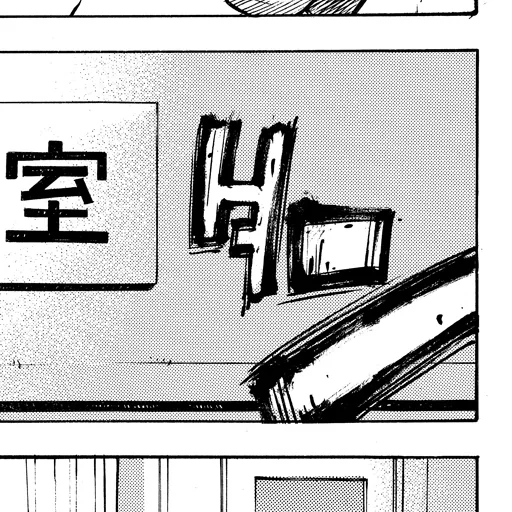
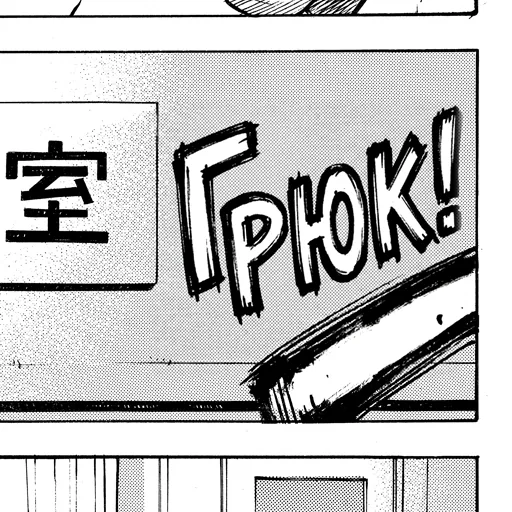
A colour page of Pepper&Carrot, translated from English into Ukrainian: the dialogue is erased, translated and lettered back into each balloon. Under it, two sound effects redrawn by an image model that keeps the brush, the angle, the outline and the colours of the original.
 TranslatedOriginal

 TranslatedOriginal
 TranslatedOriginal
Pepper&Carrot by David Revoy, CC BY 4.0: translated, with the English sound effect added for the test. Give My Regards to Black Jack (ブラックジャックによろしく) by Shuho Sato (佐藤秀峰), free for secondary use. Translation and lettering by Transept.
How does a chapter go through Transept?
Comics trip up generic image translators in the same few places: each balloon is translated without knowing who is speaking, a name changes spelling from page to page, and sound effects come back as plain text pasted over the art. Each step below deals with one of them.
Upload the pages
Upload your manga or comic pages as images, a single page or a whole chapter. Transept finds every balloon, caption, thought and sound effect on each page, vertical Japanese text included, and reads what is written in it.
Pin the names
Add character names, places, techniques and invented words to a glossary, with the spelling you want in the target language. Every page and every chapter uses it, so a name you settled in chapter 1 is spelled the same way in chapter 30.
Translate with the page in view
Each page is translated as a page, with its image beside the text. The model sees who is speaking, who they are speaking to, and whether a line is a shout, a thought or a small aside, so the dialogue reads as a conversation.
Clean the art and letter the translation
Transept erases the original lettering, rebuilds the art underneath, and sets the translation inside each balloon at a size that fits it. A sound effect is lettered in a display face, or, if you turn it on, redrawn by an image model in the style of the original.
Check every line, then download
Read each page next to the original and change any line that needs it: a pun, an honorific, a joke that depends on the picture. Then download the finished pages.
Why is manga harder to translate?
The page is the context
A balloon on its own is a fragment. Translating with the page in view keeps the speaker, the tone, and the jokes that only work with the picture.
Sound effects are part of the art
An image model can redraw a sound effect in the original brush, angle and colours, and a visual check compares each page with the original.
Names hold for the whole series
The glossary carries character names and invented terms across every chapter, so volume 3 spells them the way volume 1 did.
Your pages don’t train AI
Transept doesn’t train AI models on your pages, and nobody sees them unless you share them. Delete a document or your account and the pages are gone.
Simple pricing
1 credit = 1 source word. Pro mode costs 3 credits per word. What each action costs
Free
Always freeFor your first projects
Unlimited users
Translated and proofread on Standard. About five with Pro.
- Pro mode: the model thinks each passage through, 3 credits per source word
- Standard quality: fast, accurate, faithful
- Translation memory: your past translations, reused to keep new ones consistent
- Glossary, styleguide, QA, import / export: all included
- Notion, Drive, TMX / XLIFF: import, export, and bring your own memory
- 68 languages: from Spanish to Tagalog
- Paragraph-by-paragraph translation in every mode
- Literess, your AI literary editor: 10 messages free, then credits
- Originality reports: 2 included
- No card required
Lite
The pocket edition
Unlimited users
- Whole pages and documents in one run
- Unlimited originality reports
- Workflows: chain translation, proofreading, and checks into one run
- API, MCP & webhooks: automate runs, or let AI assistants work in your account
- Teams: create as many as you need and invite anyone for free
- Top up anytime: pack credits never expire
Starter
Most popularFor regular client work
Unlimited users
- 3× Lite’s credits: for weekly work
- Teams: invite anyone for free; add €29/$33 seats to fund a shared credit pool (80,000 credits a month each)
Pro
For higher volumeFor agencies & large catalogs
Unlimited users
- 3× Starter’s credits: headroom for batch work and full catalogs
- Priority support: a direct line and faster replies
- Predictable bill: most months need no extra credit packs
FAQ
- AI can translate manga as a draft you check. It reads the lettering, translates it with the page in view, and letters the translation back into the art in minutes. Puns, honorifics and lines that depend on the picture still need someone who reads both languages, so Transept lets you change every line before you download the pages.
- Translating your own manga, or a title whose rights holder has licensed the translation to you, is legal. Translating and sharing someone else’s manga without permission infringes their copyright in most countries, even when the translation is given away for free. Some comics are released under open licences: Pepper&Carrot, the colour comic on this page, is CC BY 4.0, which allows translations that credit the author. This is general information, not legal advice.
- In one of three ways. A sound effect can be lettered in a display face over the cleaned art, redrawn by an image model in the original style if you turn that on, or left as drawn with a small translation beside it.
- Transept reads vertical text in balloons and captions, and letters the translation horizontally inside the same balloon, which is how English editions of manga are lettered.
- Japanese into English is the route most manga artists ask for, and other language pairs work the same way: the text is read from the art in the source language, and the translation is lettered in the target language.
- Laying out the pages costs 200 credits a document and 150 a comic page, so a 20-page chapter is 200 + 20 × 150 = 3,200 credits, plus translation per source word. Redrawing sound effects with AI costs 800 credits per image of up to nine of them. The app shows the price of each choice before anything is charged. Credits come with a monthly plan or in one-off packs.
Keep reading around this workflow
- FeatureA glossary the AI actually follows→Character names, product terms, brand phrases, client vocabulary. Build a glossary once (by hand, from a file, or from a sample document)…
- Use caseTranslate your book with AI without losing the voice→A character glossary that holds for 300 pages, a styleguide built from your own chapter, and alternatives for every line of dialogue. For…
Built for work you answer for
Private by default
Your text is never used to train AI, not by us and not by any provider we use, and it stays out of our logs. Delete your account and your text is deleted with it.
How we handle dataSecurity you can check
Hosted in Germany, in Hetzner’s ISO 27001-certified data center. Every sub-processor is listed, and a DPA is one email away.
All sub-processorsGive it context
Glossaries, styleguides, translation memory and per-string notes go with every request. You set them up once per project.
GlossariesYou’re the human in the loop
The AI drafts; you decide. Review every change side by side, keep or revert it, and send a review link when a client needs to look.
Review linksAPI, MCP and webhooks
The full API on every paid plan. Connect Claude or another AI assistant over MCP, or start runs from your own tools.
Developer guideSomething bigger?
Large catalogs, custom workflows, a DPA for procurement. Transept stays self-serve; write to us for the rest.
support@transept.aiFeatured on